
A Filmmaker’s Guide
to Shooting in the Philippines
Our company works with local professionals to make sure you
are getting the right help throughout media production.
Permits in the Philippines: What You Need to Know
All filmmakers will need film permits for every location that they’re going to shoot in. Fortunately, the whole process is quite routine and for straightforward projects only takes around three days. Permit applications for more complex productions that may require road closures or drones, etc., can take up to seven days to go through.
Sometimes, you may also need to get further permits from the local mayor’s office and the relevant barangay (village district).
Timing Your Philippines Film Production around the Weather

Videographers and filmmakers find that November to February mark the best months to film. Weather conditions are steady and fresh-feeling. March to May is very hot, and June to November is the rainy season with possible typhoons. Underwater filming is possible all year, but the clearest water is from December to April.
Planning Filming Equipment Rental & Local Crew Logistics
The Philippines has a wide range of local film equipment rental suppliers, and so organizing gear on the ground is generally cheaper and more convenient. Though there is an ATA Carnet system in place, it is still relatively new and not widely tried and tested. As a result, bringing in large amounts of film tech may still end up mired in red tape and additional expenses.
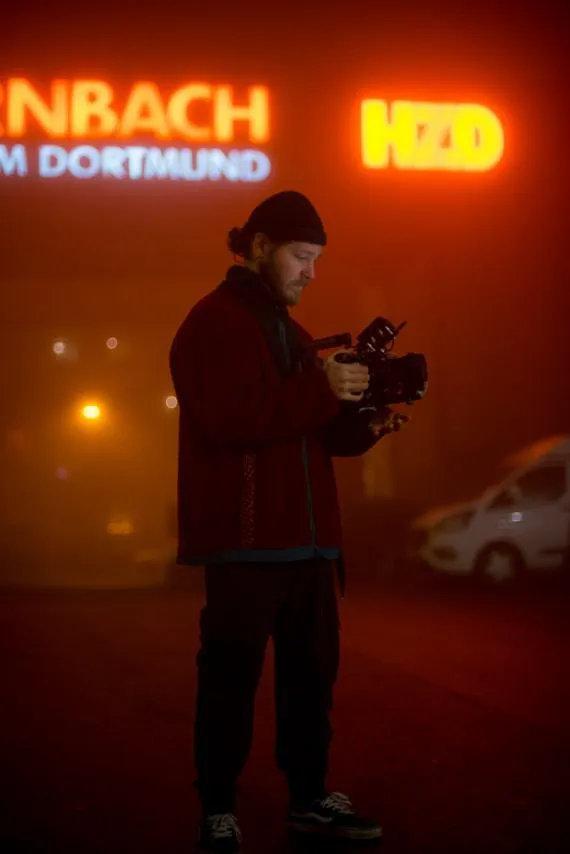
You’ll also find many English-speaking camera professionals within the filming community here. Their fees to join your team may be a little higher than non-speaking film crews, but it’ll still be a lot lower cost-wise than in Western countries.
Frequently Asked Questions
Is it an ATA carnet country?
Yes, although the system is very new and not yet fully functioning.
Is it safe for me and my team to film there?
Yes. That said, it is recommended not to film in the Mindanao region. Many foreign insurance policies don’t cover that area.
Do I need a visa or a work visa to film there?
Yes, you will need a Temporary Visitor’s Visa (9a-5), which must be sourced through your Philippine Embassy or Consulate before traveling.
Do I need a local company to film or get visas there?
Yes.
Do I need a permit for drones?
Yes. If your drone is over 250 grams it will need to be registered. Any commercial drone use requires both an Operator Certificate and a Remote Pilot License (RPL). Additionally, all drone flights have to follow CAAP rules, which include keeping the drone in sight, staying below 122 meters (400 feet), avoiding no-fly zones, and flying only in daylight and good weather.
Is there a cash rebate/tax exemption or any other fiscal advantage?
Yes. The Philippines offers a 20% cash rebate through the Film Location Incentive Program (FLIP). There is also funding support for co-productions through the International Co-production Fund (ICOF). Both are managed by the FDCP.
Can I shoot in a national park and, if so, under what circumstances?
Yes, but you will need your national filming permit and an extra permit from the Parks and Wildlife department.
Working with Fixer Philippines

We are a well-established video production support company in the Philippines and part of the global Storytailors network. Our team has provided everything from research, translation, and location scouting to field production, crew hire, and equipment coordination for top local and international media platforms and brands.
Regional Storytailors clients have included the BBC, Netflix, L’Oréal, Singapore Airlines, FIFA, Oracle, and many others, alongside local filmmakers and businesses.